Listeners:
Top listeners:
-
 play_arrow
Substrate Radio Freeform Radio From Alabama
music_note

The Devil’s Bath

By – Gareth Jones

Fans of The Nightingale, Here Evil Lurks, and Speak No Evil, historical folk horror, unnerving Austrian Horror
NOT RECOMMENDED FOR EVERYONE
 Fair warning, as stated above, this film is not made for all audiences. It depicts violence towards children and that is extremely challenging. Even if you are not a parent, these are difficult films to process. However, art is not meant to always be beautiful and easy to process. The filmmakers Veronica Franz and Severin Fiala, the duo behind Goodbye Mommy, The Lodge, and now The Devil’s Bath are artists who want to confront the audience and challenge patriarchal systems that have been in place and continue to hurt and damage families. They examine how women are often trapped in society’s expectations of beauty, emotional stability, and motherhood. To make it even more compelling Fiala is actually Franz’s biological nephew who often babysat for Franz and her partner, filmmaker Ulrich Seidl, children. I am not aware of another aunt and nephew directing duo, although there might be one. How they examine a family dynamic with each of their films is impressive and unnerving.
The Devil’s Bath is inspired by Kathy Stuart’s research into “suicide by proxy”, a practice where people who feared eternal damnation by committing suicide would commit an act of murder against someone else, often a child. In turn, they would be tried and executed for that murder but be able to confess their sins and still get into heaven. These murders were committed by women the majority of the time. Here, the main character, Agnes, is based on a real historical figure, Eva Lizlfelnerin, from the 18th century who committed this crime.
 Anja Plaschg delivers an award-worthy performance as Agnes. At the start of the film, she is a vibrant and happy young woman in 18th century Austria about to be married to Wolf, an awkward man dominated by his strong mother. After an energetic ceremony and celebration she is wed, leaving behind her kind mother and brother and moving to another village, where the predominant industry is fishing in the lake with backbreaking labor. She tries her best to become a part of the community but she is an outsider unfamiliar with the ways and customs. Even worse, Wolf is unwilling to consummate the marriage (I wonder why??), and she is not able to meet the expectations of motherhood. All of this leads to an ever-increasing mental collapse for Agnes. Here is one of the most important elements of the film, the mistreatment/misunderstanding of mental illness or the lack of support for women in 18th century society that still exists today.
The location shooting in Austria/ Western Germany and authentic production design is so important to the overall experience of viewing the film. The pain of the mud and ice are tangible as is the beauty and joy of nature in the form of insects and plants. The costume design is brilliant with the headdress of Agnes standing out as well as Wolf’s leather apron, both taking on metaphorical meaning.
There are two execution scenes in the film and how they are framed and filmed is one of the most disturbing elements of the film. How the audience embraces the violence and punishment and how the executed welcomes the blade. It is haunting and should give everyone pause. Combined with the scenes of violence towards children, The Devil’s Bath will stick with you like the mud that cannot be washed off in a bath.
Streaming on Shudder
Similar posts

Featured post
Latest posts

Wake Up, Babes: A Vintage, Previously Unreleased Swervedriver Demo Track Just Dropped

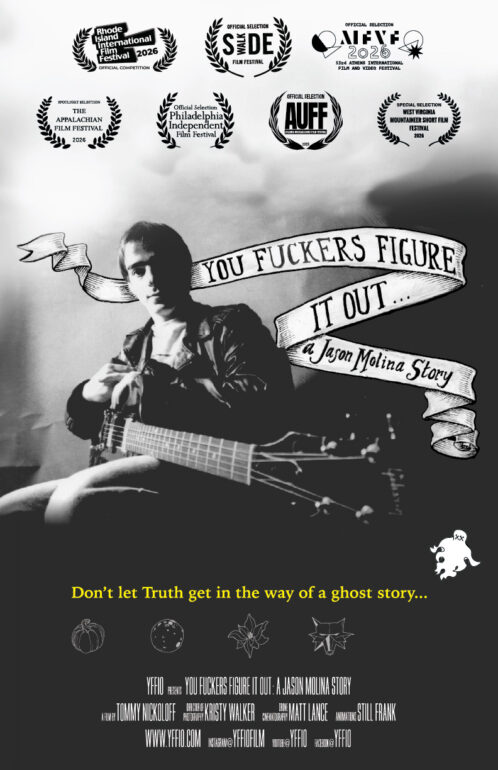
Film Review: You Fuckers Figure It Out: A Jason Molina Story

The World’s Greatest Scottish Power-Pop Band Just Dropped a Brand New Single

It’s a Midwestern Miracle: New Graham Hunt, Slow Pulp AND Wishy Singles All Dropped Today!

Beck Zegans “Engraving of Armor” Album Review
Current show

Early Morning With Substrate
Jason's playlist just for you
Wake up Early with our specially curated playlist
closeUpcoming shows