Listeners:
Top listeners:
-
 play_arrow
Substrate Radio Freeform Radio From Alabama
music_note

The Bad Seed
By – Gareth Jones

For fans of children as killers/monsters movies, campy 50s performances, great Hollywood character actors
Before there was The Omen, Village of the Damned, Orphan, or so many other films with children as killers, there was The Bad Seed. I had seen many of these other films, but not this one. Based on a play that was based on a book, The Bad Seed in many ways created a template for future films with its over the top performances, terrifying children, and sinister ponytails. There have been several remakes of the film, but I doubt that any have the same power as the original.
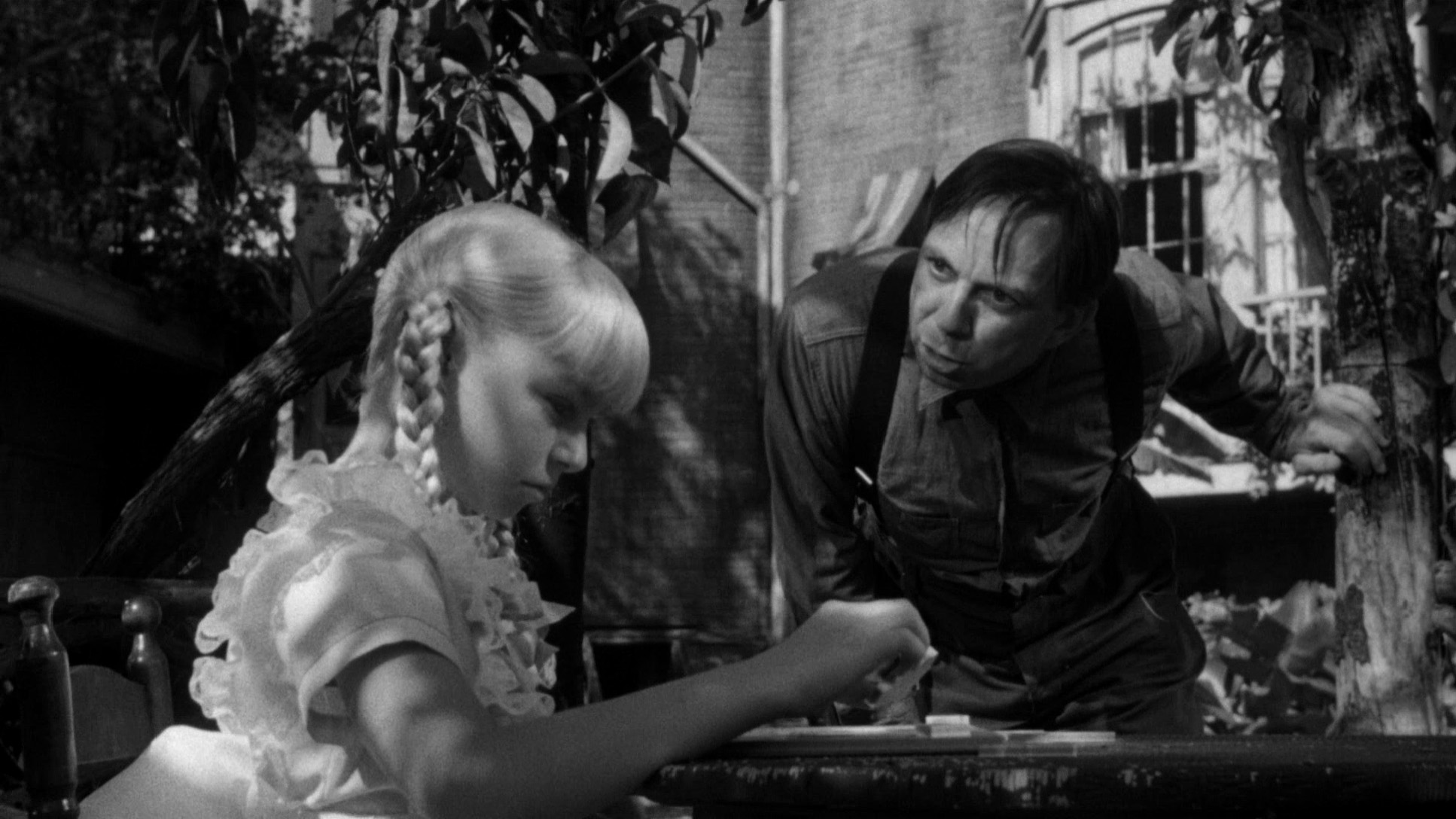
The plot begins by introducing us to a family, the Penmarks. The military father just about to leave for assignment, the worried and supportive mother, and their unnaturally fastidious daughter, Rhoda. She is pristine in her appearance with tight pigtails and perfect dress. Initially, she seems like a dream child in her interactions with her parents, landlady, and school. However, the cracks begin to show after a young boy drowns on a school picnic. Rhoda’s facade quickly disappears and her devilish psychopathic behavior becomes more obvious. This film fits perfectly into a series of films that captured the hysteria of the McCarthy era in America. At times it is over the top, while in specific moments, there is astonishing pathos for certain characters, not the bad seed, but those around her.
The film is directed by Hollywood legend Mervyn LeRoy, who started out in the silent era as an actor but came to significant prominence in the 1930s with Warner Brothers directing Little Ceasar and Gold Diggers of 1933. Overall, he directed close to 80 movies and also helped produce The Wizard of Oz. He was also known for discovering talent such as Clark Gable, Audrey Hepburn, and Robert Mitchum. He was a professional that could make a film in almost any genre and did, as he proves wonderfully with The Bad Seed.
 The film had a tremendous response when it was released with a top 20 box office and four nominations at the Oscars, including the young actress who plays Rhoda, Patty McCormack who is still acting today after a long and successful career. The other acting nominations were for the mother played by Nancy Kelly and the mother of a victim, Eileen Heckart. Heckart did win a Golden Globe for her performance, and rightly so. It is one of the all time drunk performances in film history. The strong cinematography was also nominated for an Academy.
The film’s cast is filled with some of Hollywood’s greatest character actors. Henry Jones as Leroy Jessup is particularly revolting in his interactions with Rhoda. He brings a full Uriah Heep level of unctuousness. Gage Clarke plays Reginald Tasker, the criminologist whose debate of nature versus nurture, is a strong addition to the plot. Frank Cady plays the husband to Heckart’s bereaved mother, Hortense Daigle, one of my favorite names in the film. All of these performances may seem over the top today and even have some camp value, but they also were extremely effective for the style of Hollywood in the 1950s.
I feel now that I have seen this film, that many directors have also seen it and been influenced by it when they made their own killer child films. One of my favorite Australian folk horror films, Celia, has many echoes of this film and I feel this film will continue to inspire many more.
Available to stream on TUBI
Similar posts

Featured post
Latest posts

Wake Up, Babes: A Vintage, Previously Unreleased Swervedriver Demo Track Just Dropped

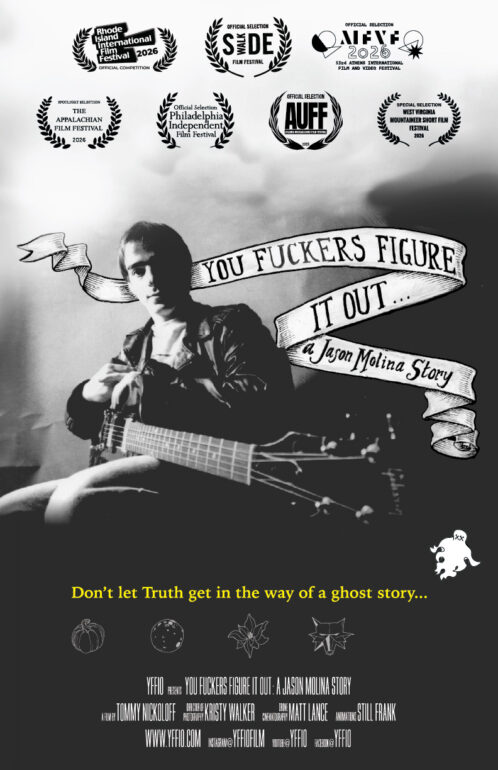
Film Review: You Fuckers Figure It Out: A Jason Molina Story

The World’s Greatest Scottish Power-Pop Band Just Dropped a Brand New Single

It’s a Midwestern Miracle: New Graham Hunt, Slow Pulp AND Wishy Singles All Dropped Today!

Beck Zegans “Engraving of Armor” Album Review
Current show

Early Morning With Substrate
Jason's playlist just for you
Wake up Early with our specially curated playlist
closeUpcoming shows